Strategic Crossovers: Applying Poker Decision Models to Football Odds Adjustments Within UK Mobile Betting Ecosystems
Written by Eden Otto · Aug 18, 2026
Strategic Crossovers: Applying Poker Decision Models to Football Odds Adjustments Within UK Mobile Betting Ecosystems
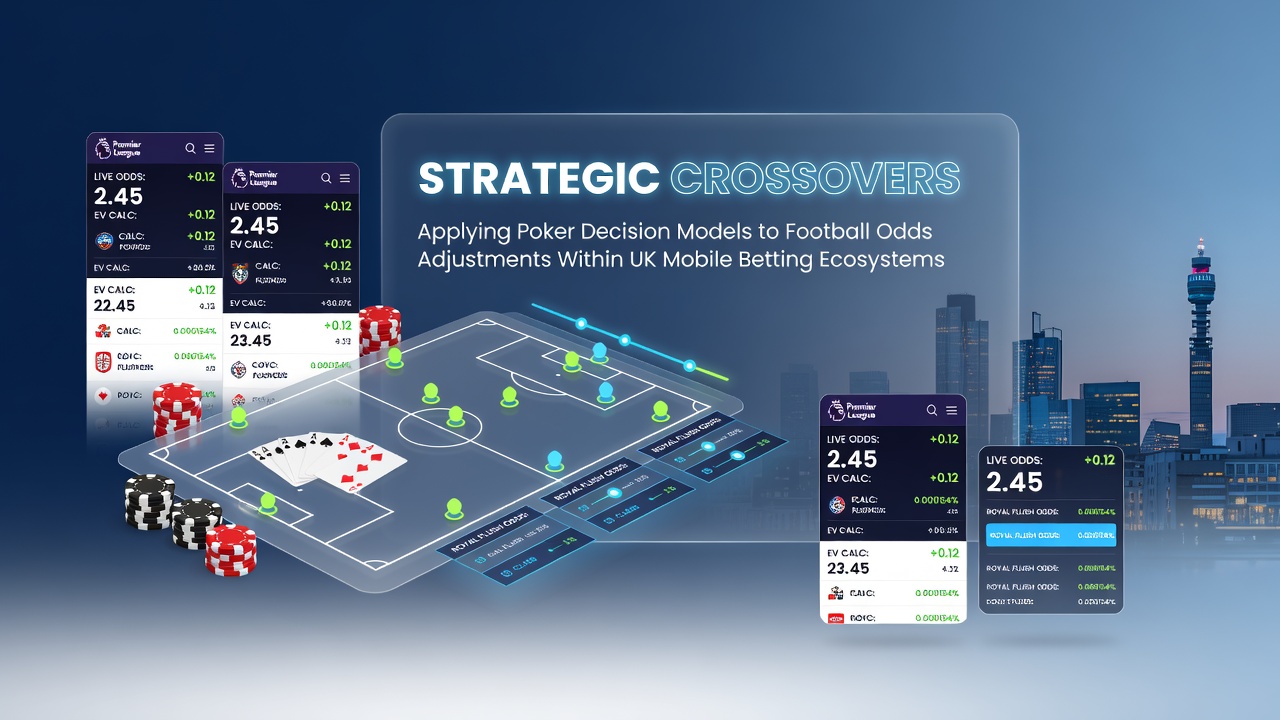
Decision models developed in poker environments continue to influence how odds adjust across football markets on UK mobile platforms, and this crossover draws on probabilistic calculations that translate directly from one domain to another. Bettors and platform operators track expected value metrics while monitoring live match variables, yet the same frameworks also incorporate range construction and risk-reward ratios that poker players refine over thousands of hands. Data from industry reports shows these techniques appearing more frequently as operators refine algorithms ahead of the August 2026 football schedule.
Poker Foundations Informing Betting Calculations
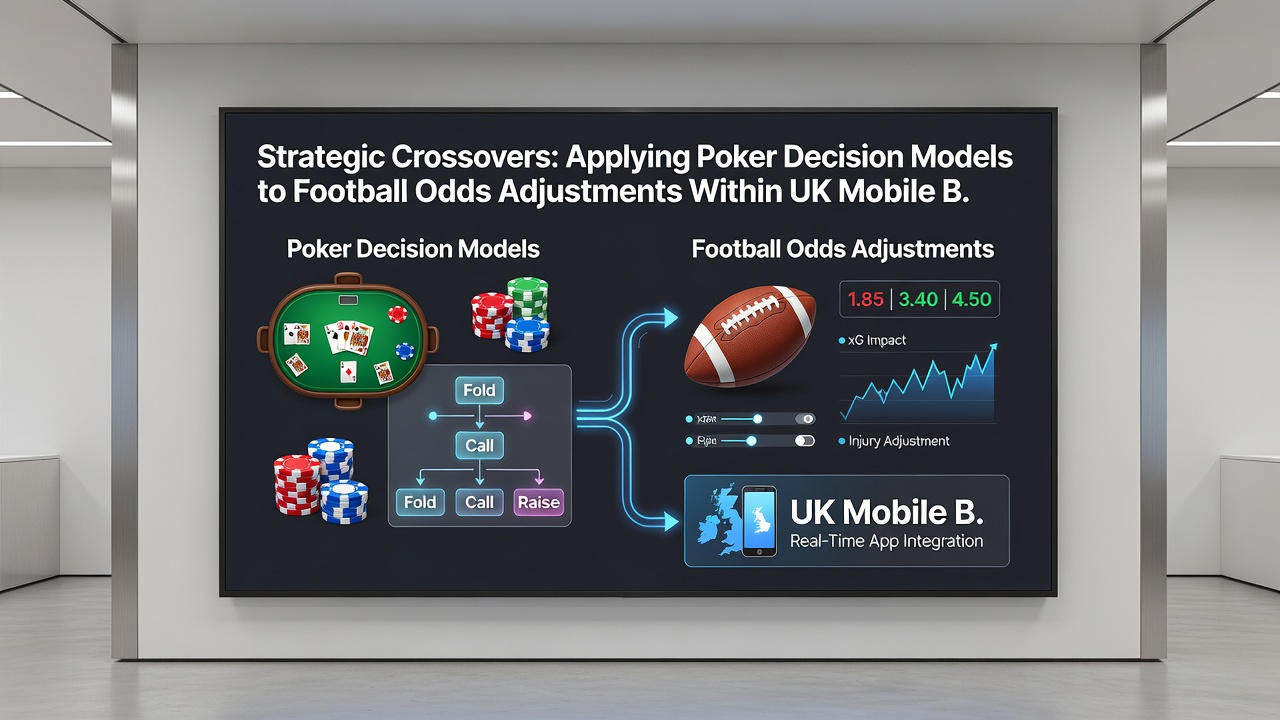
Researchers at academic institutions have documented how concepts such as pot odds and implied odds map onto football accumulator pricing, and operators apply similar logic when recalibrating live odds after each goal or substitution. One study from the University of Nevada Reno examined decision trees in high-volume poker sessions and found parallels in how bettors evaluate multiple outcome branches during a single match. Observers note that mobile apps now embed these calculations into user interfaces so that odds shift in real time rather than relying solely on static pre-match lines.
Range analysis from poker further supports adjustments when teams exhibit predictable patterns, such as high-pressing sides that concede late goals. Platforms integrate historical datasets to narrow the range of probable results, and this process mirrors the way experienced players assign hand ranges to opponents. Figures from European gaming associations indicate that operators testing these hybrid models report tighter margins on certain live markets compared with traditional statistical approaches alone.
Live Odds Adjustments in Football Markets
Football odds move rapidly once matches begin, and mobile ecosystems in the UK rely on continuous data feeds to update prices. Decision models borrowed from poker allow operators to weigh new information against existing probabilities without resetting the entire pricing structure. For instance, a red card event triggers an immediate recalculation that accounts for both the immediate impact and the remaining match length, much like a poker player reassesses equity after an opponent reveals partial information through betting action.
Studies conducted by Australian research bodies have tracked similar cross-application in other sports betting contexts, confirming that structured probabilistic thinking reduces overreaction to short-term variance. UK platforms incorporate these lessons when balancing liquidity across multiple simultaneous matches, and the result appears in more stable pricing during high-volume periods such as August international windows. Those who monitor these systems report that the models help platforms maintain competitive edges while complying with broader regulatory expectations.
Integration Within Mobile Ecosystems
UK mobile betting applications now feature dedicated modules that combine poker-derived simulation engines with football-specific data streams, and users interact with these tools through simplified interfaces that hide the underlying complexity. The ball remains in the operator's court when determining how aggressively to adjust prices based on incoming information, yet the underlying mathematics stays consistent with poker theory. Industry organizations outside the UK have published case studies showing that platforms adopting hybrid models experience steadier user retention during extended live betting sessions.
August 2026 brings additional fixtures that test these systems at scale, and operators prepare by stress-testing models against historical tournament data. External links to regulatory frameworks in Canada and research summaries from European academic consortia provide further context on responsible implementation of algorithmic pricing. Observers note that the same decision frameworks also support responsible gambling prompts, because transparent probability displays help users understand the ranges involved rather than reacting solely to changing numbers.
Conclusion
The transfer of poker decision models into football odds management continues to evolve within UK mobile betting environments, and ongoing data collection from multiple jurisdictions supports further refinement. Operators and researchers alike examine performance metrics across seasons to determine which elements yield consistent improvements in pricing accuracy. As platforms prepare for the demands of the 2026 calendar, the integration of these analytical approaches remains a documented trend rather than an isolated experiment.